Showing posts with label Festival. Show all posts

Saturday, June 20, 2015

Inti Raymi 2015: The Andean Sun Comes to D.C.


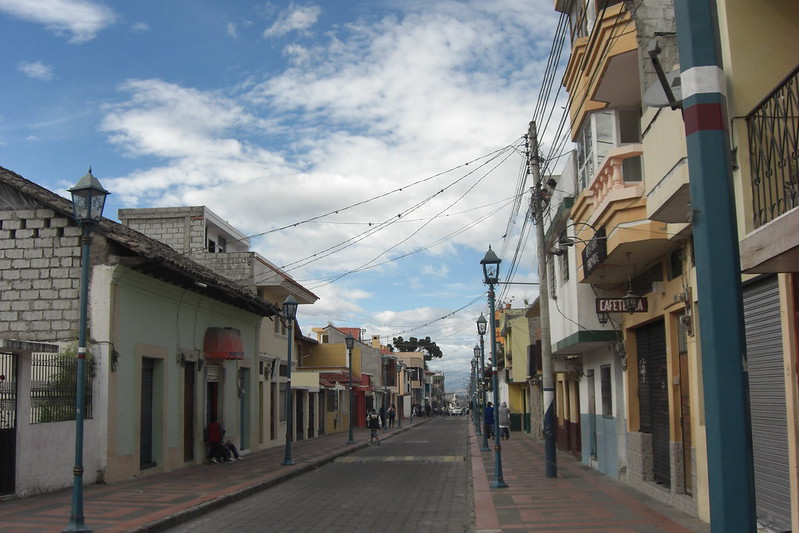
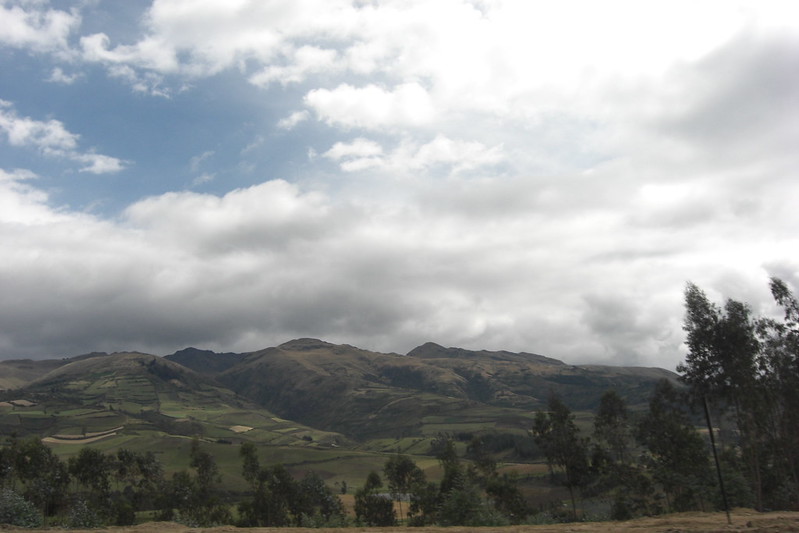
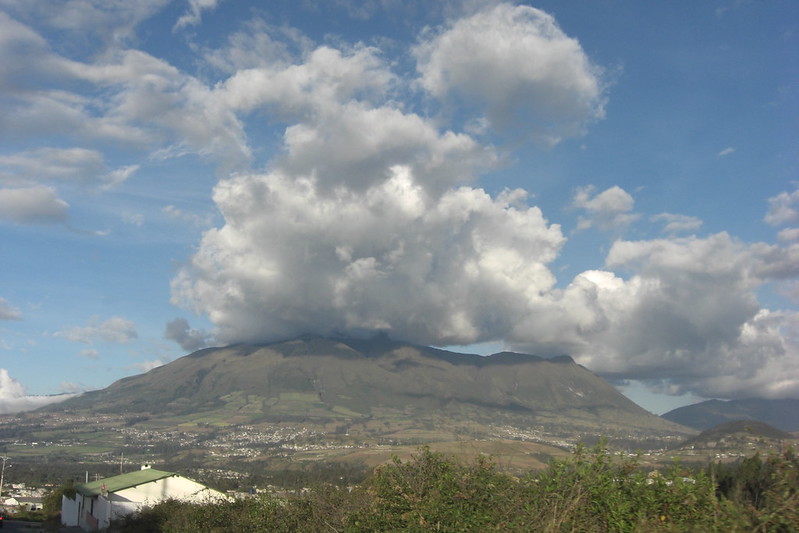
While working in Ecuador, one of my most memorable trips with coworkers was to visit Cotacachi and Cuicocha, a couple hours north of Quito in the province of Ibarra.  The area is beautiful, and our trip was made especially memorable because we happened to arrive in the town during Inti Raymi - the Inca festival of the sun.  
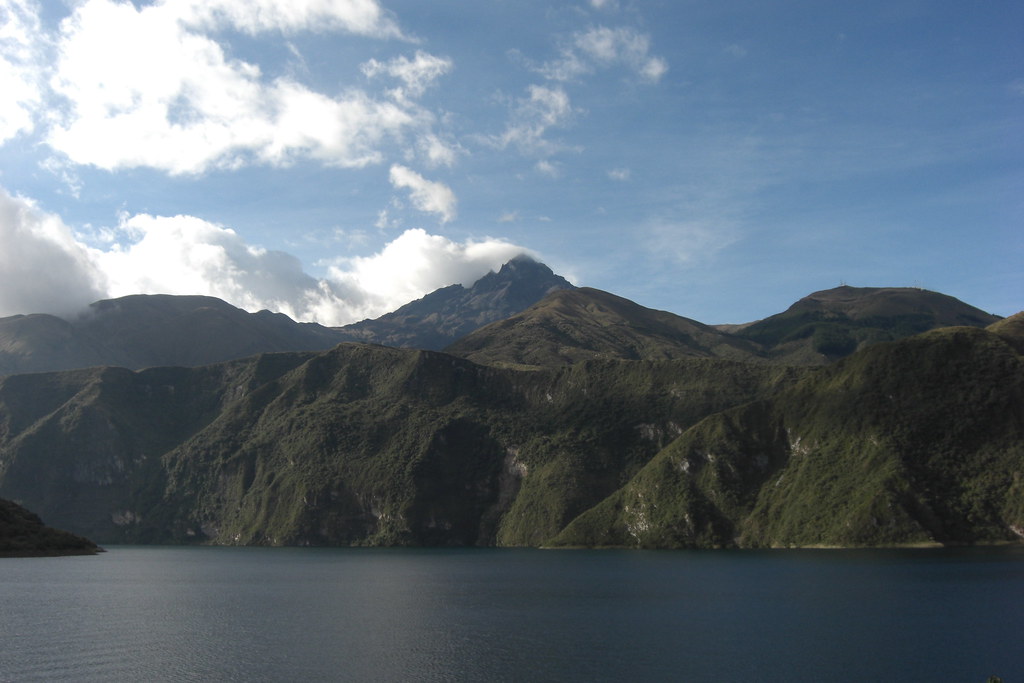
Lago Cuicocha, Ibarra, Ecuador, 2013
Inti Raymi is a celebration of the winter solstice throughout many Andean communities across Bolivia, Peru, and Ecuador (remember, it's the Southern Hemisphere so their winter solstice is the northern's summer solstice).  Taking place on the shortest day of the year, the festival is a celebration of the sun, longer days, planting, and the harvest to follow.  Although the festival itself is widely celebrated, each community has its own unique expression.
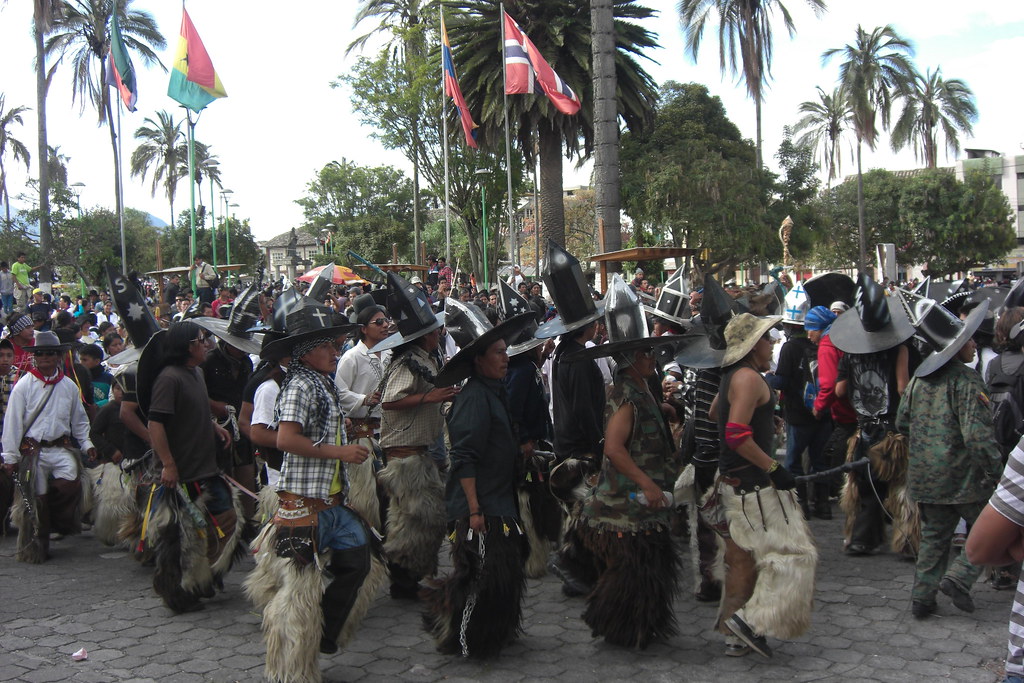
Inti Raymi Dancers, Cotacachi, Ecuador, 2013
On the day that we arrived, the festival was celebrated with groups of men in sheepskin chaps, tall hats, and metal whips whistling and dancing in circles, weaving their way through the town (with riot police on standby in case any dancer became overzealous).  The trip was a lot of fun, even with the gambles that come from eating street food and hitch hiking nighttime buses back to Quito.  


In Washington, D.C., the Smithsonian's National Museum of the American Indian hosted its own version of Inti Raymi this year.  You can see Smithsonian's pictures from the event here.  The festivities began with an opening ritual for the fertility of Pachamama (mother earth) in the tradition of the town of Macha, in the northern Bolivian province of Potosí.  The festival incorporates both pre-Columbian and Christian elements.  
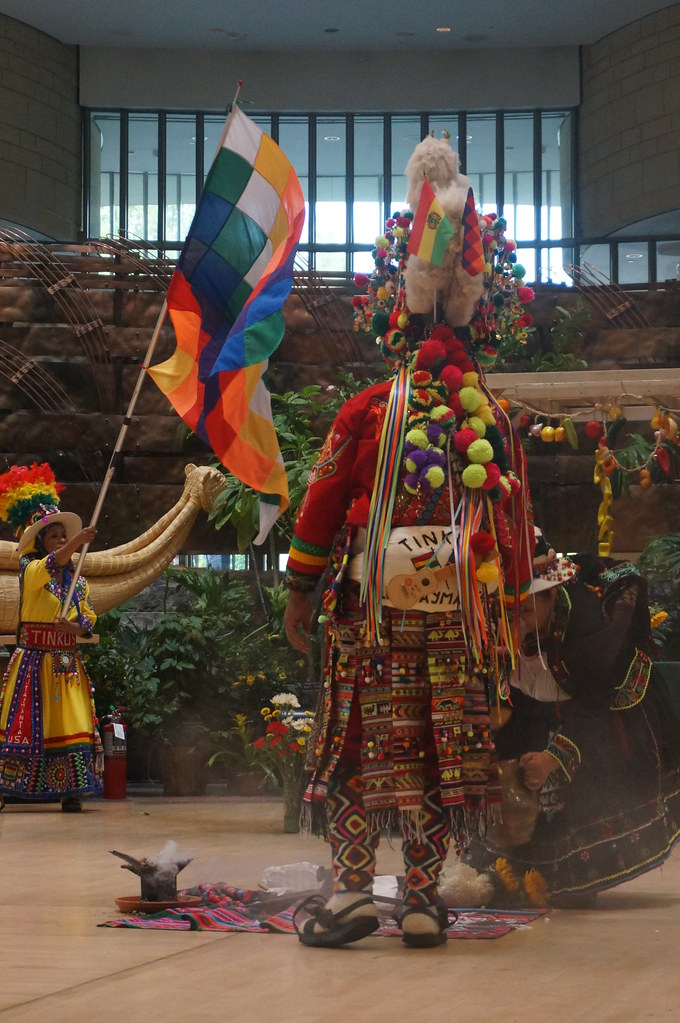
Tinku Pachamama Ritual
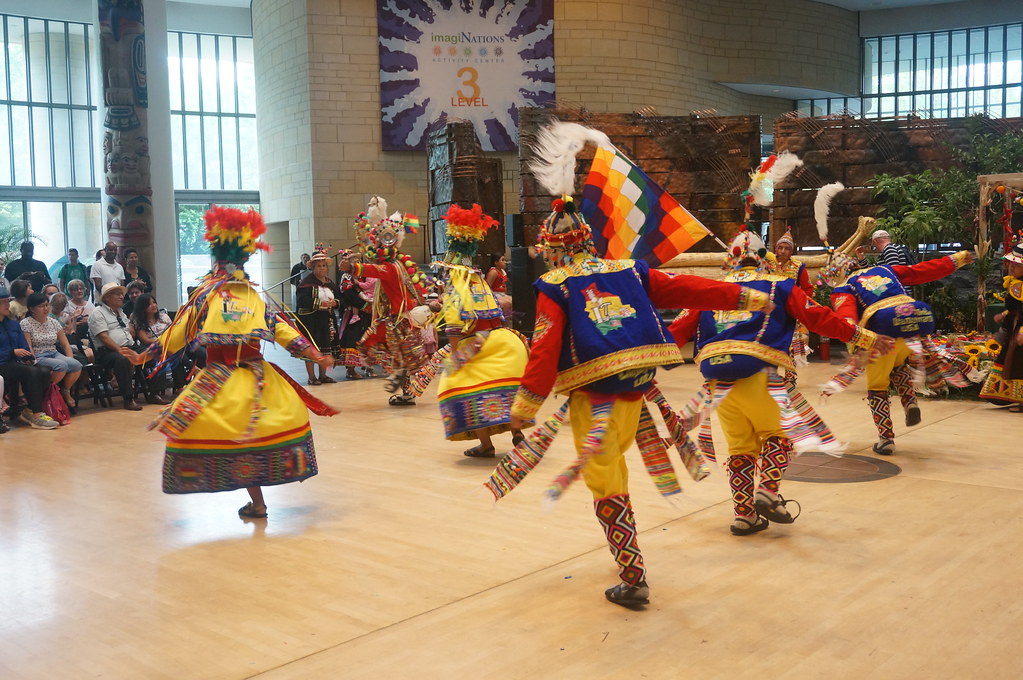
Then the dances began!  It's hard to capture here how amazing these dancers were.  They performed three performances with only a half hour break between each, but never lost any energy.  The beat pulsed through the museum with each unfaltering step.  
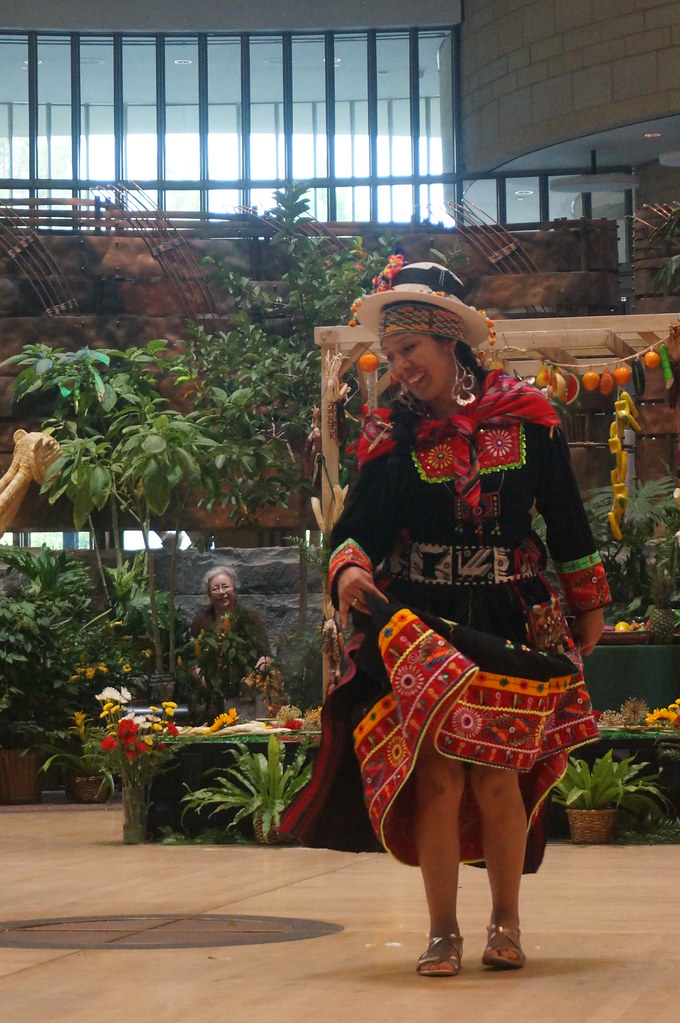
Bolivian Dancer
The first set of dances were the zapateados, dances that showcase the performers' footwork and focus on rhythm.  The next set of dances were the Huaylas, a dance from the highlands in which the dancers imitate the movements they perform in the fields while sowing potatoes.  
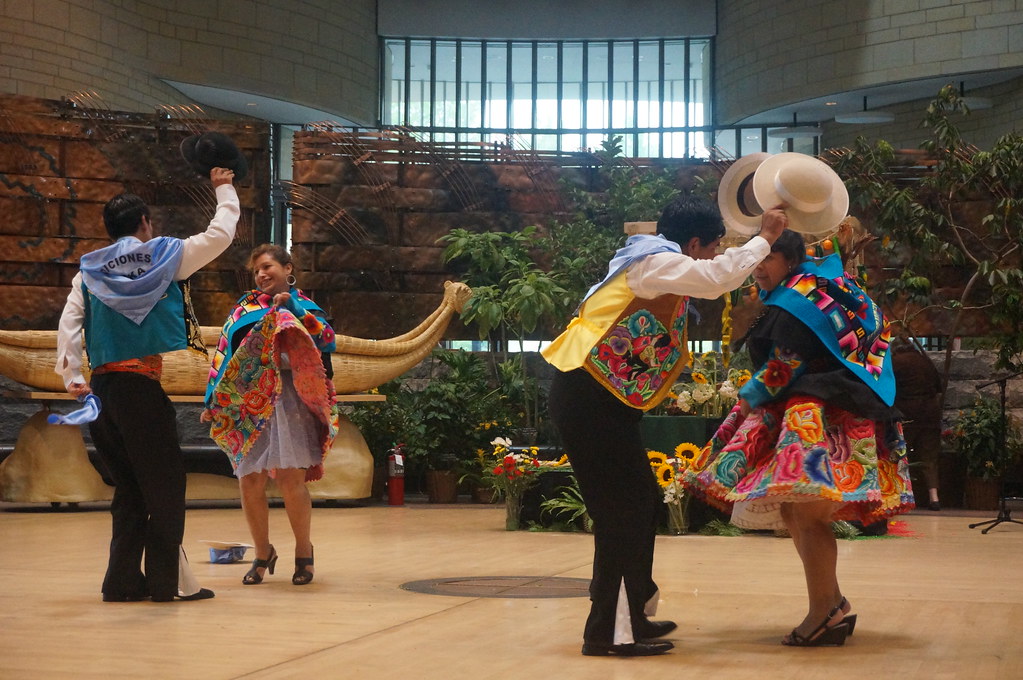
Huaylas Highland Dance
My favorite dance was the Tinku, variations of which are performed in parades.  This dance was the most energetic, with the dancers spinning and jumping, keeping pace with a quick rhythm.  The skill of the individual dancers, and the dancers as a whole, unparalleled with this dance.


Tinku Troupe Dance
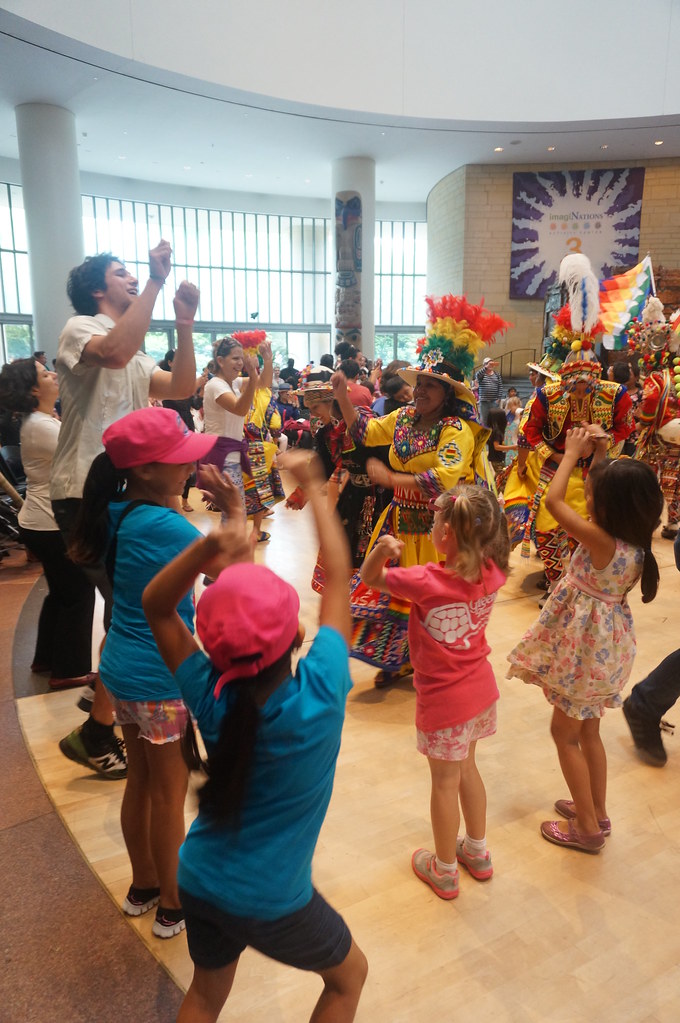
The audience even got involved too!


The dancing, music, and colors were beautiful.  The festival as celebrated in D.C. had more Bolivian and Peruvian influences, but it was really cool to see how a festival with similar roots was celebrated by these communities in the United States as compared to the festival I observed in a small Ecuadorian town.  


I thanked one of the Bolivian dancers after the show for sharing her performance, and her emotional reply left an impression with me: "I have lived in this country for 28 years and have never felt more Bolivian than I do today.  To perform in the Inti Raymi festival, in the nation's capital, here in this museum is a tremendous honor for me."
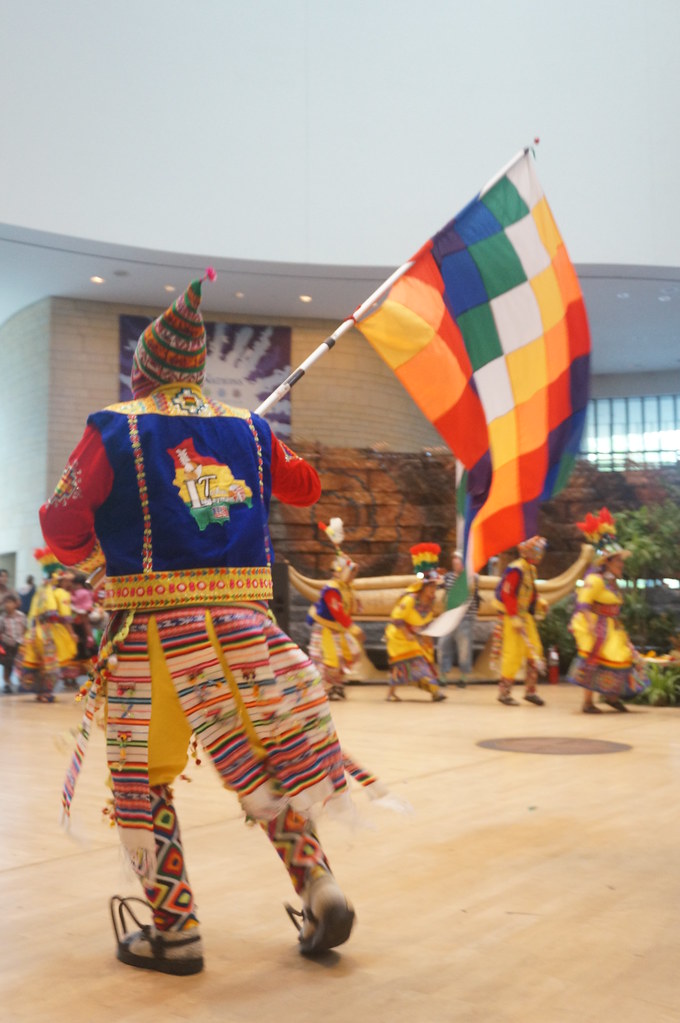
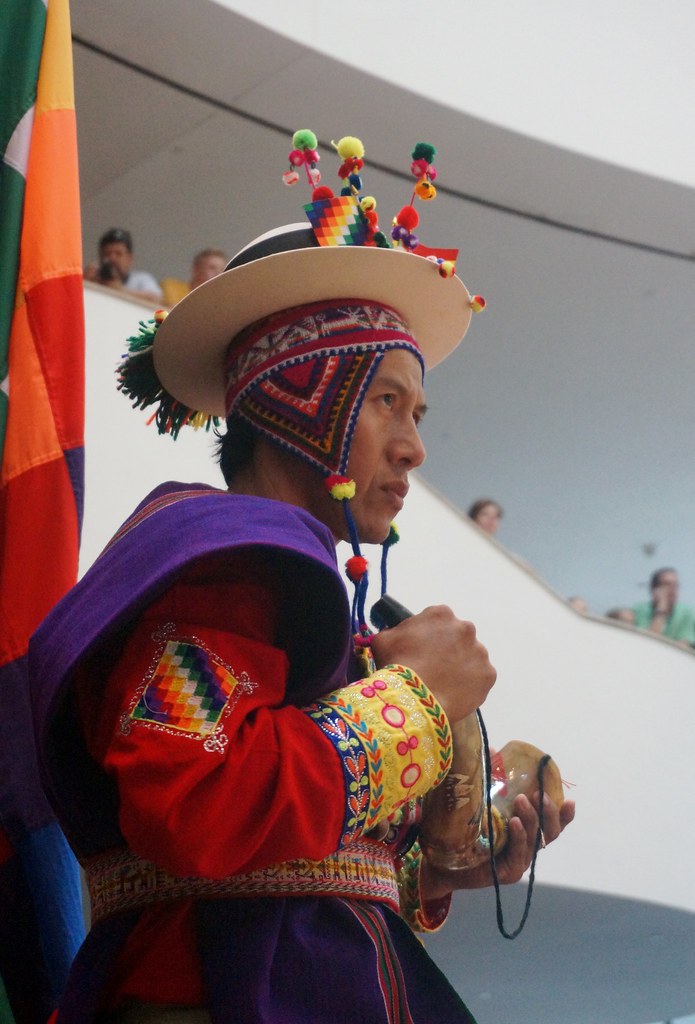
Dancer with Andean Indigenous Movement flag

Saturday, June 29, 2013

Cotacachi y Cuicocha

Fellow volunteers and I took the bus from the north bus station in Quito to Cotacachi, a town about 5 miles northwest of Otovalo (which I still need to go to for some hiking and the market there).  That weekend, there was a festival with all of the indigenous groups in the area called Inti Raymi in Kichwa (it means "sun festival") and also commemorates San Juan, San Pedro, and San Pablo.  We went to the town to see what it was all about.

On the first day, the men start dancing around 9:00am or 10:00am and dance until about 7:00pm at night.  The dancers wear these leather chaps that have sheep or alpaca furn the outside.  they also have these giant black hats that are made out of a hard material and have symbols on them of all different kinds.  I think the hats kind of serve a dual purpose because the next item that the dancers have are whips made out of rope, steel cables, or chains.  As they dance around the town, they whip the ground.  The dancers, at least the male dancers, also drink a lot all day, so there were tons of teams of riot police dispatched all over the little town to prevent fights from breaking out between the different groups of dancers.  On Sunday, the women danced, but since some of us had to work, we were only able to see the part of the festival on Saturday.
After wandering around the town for a bit and watching the different groups' dancing, we took a couple of taxis to a nearby lake called Laguna Cuicocha.  I guess you used to have to pay to get into the park where the lake is located but now it is free to enter.  The lake is absolutely gorgeous.  There are lush green mountains that border one edge and then you can walk around the other edge.  The park even has a little visitor's center where you can purchase hot empanadas and canelazo.  The lake itself is actually fairly large and there is a small island in the middle.  Too bad we didn't have more time left in the afternoon because I would have loved to canoe or kayak on that lake.

At night after we ate dinner, we walked around the town again, but stuck only to main, well-lit streets (pretty much the entire male population of the town was plastered and they still had those steel whips).  While Otovalo is famous for its Saturday market, Cotacachi is famous for its leather goods.  I was not even planning on buying anything, but then my friend wanted to look around so we ended up wandering into a store and started trying on jackets (dangerous).  We both ended up walking out with really cool bomber-style jackets.  While we were trying them on and deciding if we wanted to purchase them, our other friend decided to come in the store and mess with us to get us to hurry up.  He ended up buying a jacket even more expensive than either of ours.
After half of our group was clad in Cotacachi leather jackets, we wandered down a street and got help from two very nice women who were running a food stand at night (they were going to be dancing the next day).  They called cabs for us and waited outside with us until the cabs arrived, and tought us some Kichwa words while we waited.  They even went to the cabs first to make sure they were the cabs that were called to make sure it was safe for us to hop in.  They also told the cab drivers where to take us so that we could get on a bus back to Quito.  While we were waiting with them, we saw a group of drunk men stumble out of a house next door.  They were followed by a woman who must have been one of the men's wife - she was carrying all the steel cable whips (smart lady).
Once we got on the bus leaving Otovalo and heading back to Quito, there were no seats left so we stood for a little bit until more people got off and some seats opened up.  While we were standing, there was a lady who had two seats to herself and just had a bag sitting on the empty window seat.  She was really stubborn and refused to move the bag so that one of us (or one of the other 10 people standing) could sit down, claiming she paid for both seats.  Who knows what was going on with her, but it made the ride back pretty hilarious.

All in all, it was a great trip (even though I got sick from whatever we ate for dinner).  And the jacket is pretty cool too - it's too hot to wear it much here, but it will be perfect for fall and winter in Michigan.

Twitter Delicious Facebook Digg Stumbleupon Favorites More

 
Design by Free WordPress Themes | Bloggerized by Lasantha - Premium Blogger Themes | Walgreens Printable Coupons